Lets Embolize – A Story Of Hope
It was a Sunday morning in Kiambu County, and the atmosphere at the local church was charged with a sense of purpose and hope. The Fibroid Embolization Foundation Kenya (FEFK) had organized an outreach to raise awareness about fibroid embolization, an innovative, less invasive procedure to treat uterine fibroids. The event was aimed at empowering women with knowledge and offering a potential alternative to traditional surgery.
Over 30 women gathered at the church, a mix of different ages and backgrounds, united by the common experience of struggling with fibroid-related health issues. The event kicked off with a heartfelt introduction from the FEFK team, who shared the importance of understanding fibroids and how embolization could be a game-changer for many.
One woman, a mother, stood up to share her story that moved everyone in the room. She explained how her young adult daughter, who also had mild autism, had been suffering from debilitating heavy menstrual bleeding due to fibroids. The pain and constant discomfort had significantly impacted her daily life, leaving her feeling helpless. Her daughter’s situation was complicated by the fact that she had difficulties with medical procedures due to her condition.
This mother, having heard about fibroid embolization, was now filled with hope. “Open surgery was something we could not even consider, especially with the challenges my daughter faces,” she explained. “But after learning about embolization, I feel like there’s a real solution that will help her manage her condition without the trauma of major surgery.”
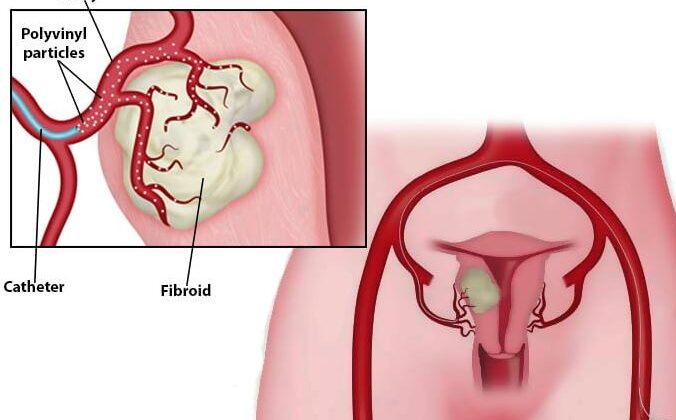
The outreach team patiently explained the fibroid embolization procedure, which involves blocking the blood supply to the fibroids, causing them to shrink and alleviating symptoms like heavy bleeding and pain. The mother listened attentively and spoke about how this treatment seemed like a perfect fit for her daughter—minimally invasive, with a quicker recovery time and fewer risks compared to traditional surgery.
Other women in the room nodded in understanding, many of them sharing their own struggles with fibroids, some of them having endured open surgeries or long-term medication with little relief. The feedback and discussions throughout the session were overwhelmingly positive, as many women began to realize that there was an alternative to the life-altering surgeries they had been told were their only options.
As the session came to a close, one by one, the attendees expressed their gratitude to the team from FEFK. Many were relieved to know that help was available, and others left with appointments booked for consultations. The event not only raised awareness about fibroid embolization, but it also gave these women a renewed sense of agency over their health.
For the mother of the young adult with autism, the thought of fibroid embolization was a ray of light. “I feel like I’ve been given a chance to help my daughter live a better, less painful life,” she said with tears in her eyes. “And that is everything.”
It was a touching moment, a reminder of how information and accessible healthcare can transform lives. For the women in that room, it wasn’t just about fibroid treatment—it was about reclaiming their health, their well-being, and their futures.