
Let’s Talk Fibroids – Triza’s story
Trizah (not her real name) was a bright and ambitious young woman, known for her intelligence and determination to make something of herself. But her life took an unexpected and heartbreaking turn when she began to suffer from severe menstrual cramps, heavy bleeding, and other discomforts that made daily life almost unbearable.
At first, she thought it was just a part of growing up. But the pain became unbearable, and she struggled to keep up with her schoolwork. Her once-enthusiastic personality began to fade, and her focus shifted from studying to just managing the intense physical pain.
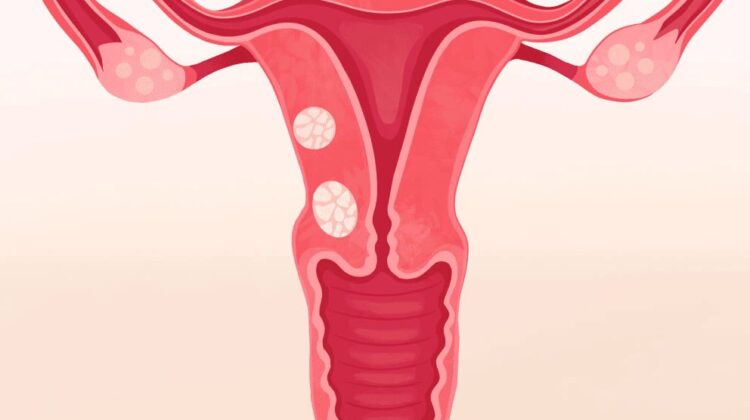
Triza went to a local clinic where the doctor diagnosed her with uterine fibroids, a condition where benign growths form in the walls of the uterus, causing heavy periods, pain, and other symptoms. Unfortunately, her guardian—someone she trusted dearly—had no knowledge of the medical condition or the fact that fibroids could be managed with treatment. Instead of helping Triza seek medical attention, her guardian, who was deeply concerned about Triza’s suffering, suggested a drastic and harmful solution: getting pregnant.
Her guardian believed that pregnancy could stop the menstrual cycles, which in some cases might temporarily alleviate the symptoms of fibroids. But what the guardian didn’t know was that this advice was misguided. Early pregnancies come with their own set of risks, especially for someone so young and unprepared. Triza, feeling trapped and desperate for relief, followed the advice, unaware of the long-term trauma it would cause.
The pregnancy, rather than solving her problems, only added to them. The physical and emotional strain of carrying a child before she was ready took its toll. She felt alone and overwhelmed, with no support system to help her cope. The trauma of this forced decision haunted her, and the experience left deep emotional scars.
As Triza navigated the difficult pregnancy, her focus on school and her dreams of a better future slowly slipped away. The pressures mounted, and eventually, she had to drop out of school. Her academic performance suffered, and the prospects she once had began to fade away. Her aspirations seemed out of reach, swallowed by the pain and confusion she had been led into by her guardian’s well-intentioned but ill-informed advice.
With time, Triza sought professional help, learning that there were medical treatments available for fibroids, and that pregnancy wasn’t the only—or best—solution. But by then, the damage had been done. Her future, once so bright, was now clouded by the choices made in her moment of confusion and pain.
Triza’s story is a tragic reminder of the importance of informed decision-making and the devastating effects of ignorance. It serves as a call to not only raise awareness about medical conditions like fibroids but also to ensure that young women have access to the knowledge and resources, they need to make empowered, educated choices about their bodies and their futures.
Let’s talk fibroids