
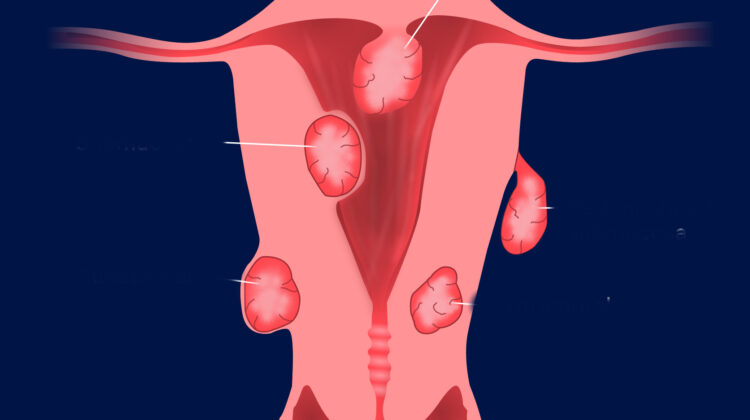
How uterine fibroids, abortion, and HPV affect women’s mental health
Uterine Fibroids.
- Fibroids—noncancerous growths in the uterus—are extremely common, affecting up to 70–80% of women by menopause, and about half experience symptoms like heavy bleeding or pelvic pain
- Over 60% of women with symptomatic fibroids report moderate to severe impairment in quality of life, including reduced energy, self-consciousness, discomfort, and overall well-being.
- Those with fibroids have up to a ~12% higher risk of depression and anxiety compared to women without fibroids.
- Surveys show up to 35% of affected women score borderline or clinical for depression, and over 60% for anxiety.
- Chronic psychological stress may also contribute to developing fibroids, suggesting a vicious cycle between stress and fibroid progression.
- Treatments—whether medication, surgery, or minimally invasive procedures—significantly improve mental health and quality-of-life scores.
Summary: Fibroids often cause psychological distress, anxiety, depression, and lower self-esteem. Reducing symptoms through effective treatment can greatly improve mental well-being.
2. Abortion and Mental Health
- Large-scale, rigorous reviews and expert panels (APA, RCPsych) show that first-trimester abortions under appropriate conditions do not increase long-term mental health risks compared to carrying unwanted pregnancies to term.
- However, studies have found that denial of abortion access or restrictions can significantly elevate anxiety, distress, and depression (e.g., Texas study showing ~7 percentage-point rise in frequent mental distress after a ban.
- Some older or methodologically flawed studies reported moderate increases in mental health problems post-abortion (e.g., 30–81% higher risk of issues like anxiety, depression, substance use), but these often fail to adjust for pre-existing factors
- Conditions like Post‑Abortion Stress Syndrome are not recognized by major psychiatric bodies.
- A well-controlled Danish cohort study found no increase in psychiatric contacts in the year following a first‑trimester abortion.
- Pressures—felt from partners, family, or society—to abort can worsen mental health outcomes, highlighting the role of stigma, coercion, and emotional support.
Summary: Safe, voluntary abortion itself does not appear to cause long-term mental health problems, but circumstances like restricted access, pressure, stigma, and pre-existing vulnerabilities can lead to distress and anxiety in some individuals.
3. HPV Diagnosis & Mental Health
- An HPV diagnosis often triggers intense emotional responses: fear, anxiety, distress, guilt, anger, shame, and diminished self-esteem in nearly half of women studied (PubMed).
- Psychological effects include obsessive behaviors, worries about future health, reduced sexual interest, and lower sexual frequency.
- Larger surveys reveal widespread depression, anger (in over 75%), shame (2/3), and decreased sexual enjoyment—often accompanied by dissatisfaction with emotional counseling from clinicians
- Anecdotal evidence (e.g., on Reddit) underscores the stigma and self-blame women feel, even when they understand HPV is extremely common
Summary: HPV diagnosis can profoundly affect mental health—triggering fear, shame, anxiety, and sexual distress—largely due to stigma, poor communication, and lack of emotional support.
✅ Recommendations
- Holistic Care
- Combine medical treatment with mental health support (e.g., counseling, peer groups).
- Strong Provider Communication
- Reduce stigma: use empathetic, nonjudgmental conversations, especially for HPV and abortion care.
- Screening & Referral
- Identify women at risk (stress, coercion, shame) and connect them with timely mental health resources.
- Public Education
- Normalize conversations around fibroids, abortion, and HPV to combat stigma and isolation.